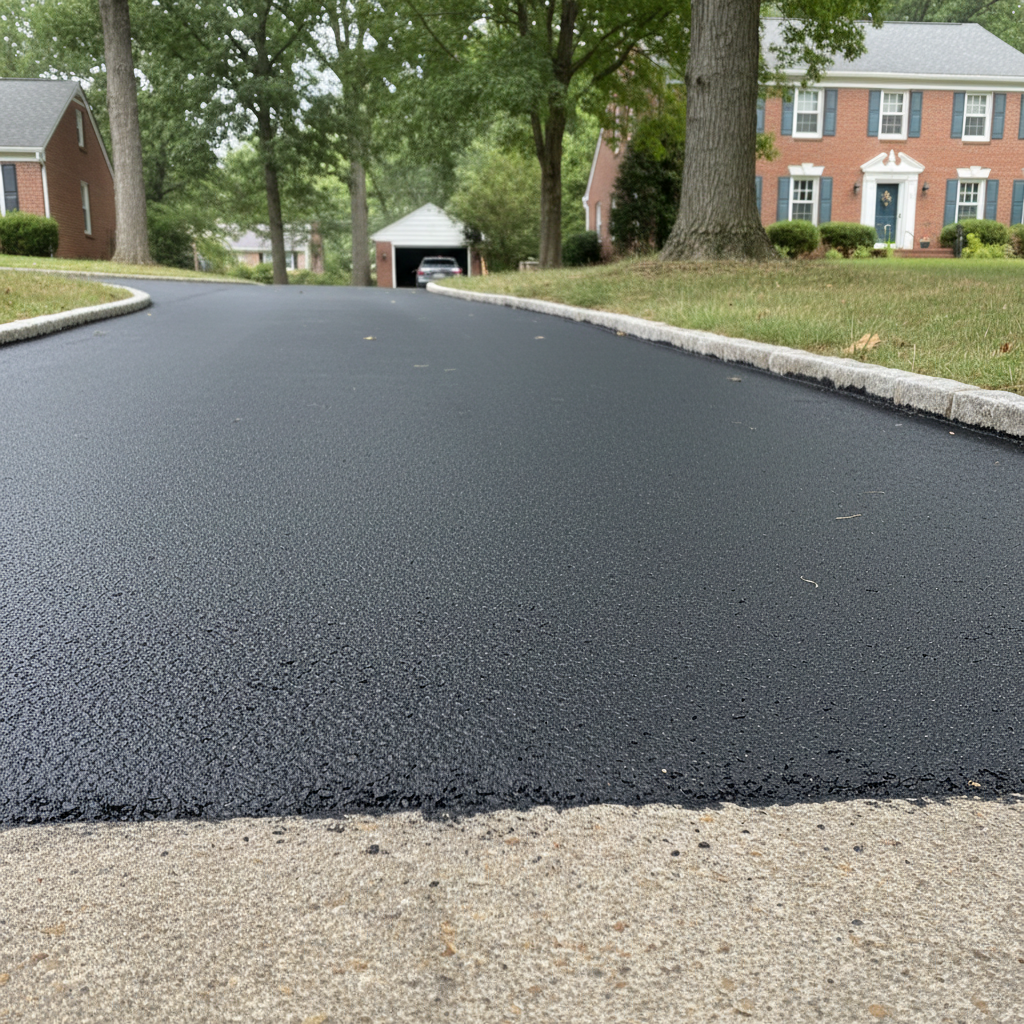
Alright, let's talk sealcoating. You've got an asphalt driveway, maybe it's looking a little faded, got some tiny cracks, and you're wondering if a fresh coat of sealer is the answer. Good question. It often is. Sealcoating's like sunscreen for your driveway – it protects it from the sun's UV rays, water, oil, and all the other gunk that tries to break it down. It keeps your asphalt flexible, extends its life, and honestly, makes it look a whole lot better. But here's the kicker: can you do it yourself, or should you call someone like us?
Before You Even Think About Sealer
First things first, you gotta get your driveway ready. This isn't just a quick sweep and spray. If your asphalt's got big cracks, potholes, or crumbling edges, sealcoating isn't going to fix that. It'll just cover it up temporarily, and those problems will pop right back through, sometimes worse than before. Think of it like painting over rotting wood – doesn't solve the rot, does it?
- Clean it up: You need a seriously clean surface. Power washing is usually the way to go. Get rid of all the dirt, moss, oil stains, and loose debris. If you've got oil spots, you'll need a degreaser. Don't skimp on this. Any dirt or oil left behind means the sealer won't stick, and you'll have it flaking off in no time.
- Repair those cracks: Small cracks, like hairline ones, might get filled by the sealer itself. But anything wider than a quarter-inch? You need to fill those with a quality crack filler. You can buy tubes of this stuff at home improvement stores. Follow the instructions. Let it cure properly.
- Patch potholes: If you've got actual potholes, you're looking at asphalt patching, not just crack filling. For most homeowners, this is where it starts getting into pro territory. Patching correctly takes specific materials and techniques to ensure it bonds properly and doesn't just pop out after a few freeze-thaw cycles, which we get plenty of here in Philly.
- Check the weather: This is huge. You need a few days of warm, dry weather. No rain in the forecast for at least 24-48 hours after application. The temperature needs to be consistently above 50°F, and ideally, not scorching hot either. Trying to sealcoat on a cold, damp day is just asking for trouble. The sealer won't cure right, and you'll waste your money.
DIY Sealcoating: What You're Getting Into
Okay, so you've cleaned, repaired the minor stuff, and the weather's perfect. You're still thinking DIY? Here's what that looks like:
- Material Selection: You'll go to the hardware store and see buckets of asphalt sealer. There are different types – coal tar, asphalt emulsion, acrylic-modified. For most homeowners, an asphalt emulsion or acrylic-modified product is what you'll find. Read the labels carefully. Some are thicker, some are thinner. You usually get what you pay for. Don't buy the cheapest stuff; it'll wear off fast.
- Application Tools: You'll need a good squeegee or a specialized sealcoat brush. A roller isn't usually recommended for driveways because it can leave too thin a coat or uneven coverage. You'll also need safety glasses, gloves, and old clothes. This stuff is messy.
- The Process: You'll typically pour a manageable amount of sealer onto the driveway and spread it evenly with your squeegee or brush. Work in sections. Overlap slightly. The goal is a thin, even coat. Don't glop it on thick, thinking more is better – it'll crack and peel. Most products recommend two thin coats, with proper drying time in between (usually 8-24 hours).
- Curing Time: After your final coat, you're looking at 24-48 hours before you can walk on it, and usually 48-72 hours before you can drive on it. This means no cars, no bikes, no heavy foot traffic. Put up some cones or caution tape.
For a small, relatively new driveway with minimal issues, DIY sealcoating is definitely doable. You'll save some money on labor, and you'll get a good workout. Just be prepared for the time commitment and the mess.
When to Call a Pro (Like Us at Apex Asphalt Co.)
Now, when does it make sense to put down the squeegee and pick up the phone? Here's my honest take:
- Larger Driveways: If your driveway is long, wide, or has complex turns, doing it yourself is a monumental task. Spreading sealer evenly over a huge area before it starts to dry is tough. Pros have specialized equipment that makes quick work of it.
- Significant Damage: As I mentioned, if you've got numerous large cracks, potholes, or areas of severe deterioration, you're beyond a simple DIY sealcoat. These repairs require specific asphalt materials, hot-pour crack fillers, and sometimes even cutting out and replacing sections of asphalt. That's not a weekend warrior job.
- Time is Money: Let's be real. Your time is valuable. If you'd rather spend your weekend doing anything else besides scrubbing, repairing, and spreading stinky sealer, then a pro is the way to go. We're efficient, we have the right tools, and we'll get it done right the first time.
- Quality and Longevity: Professional-grade sealers are often different from what you'll find at the big box stores. We also know the right application techniques to ensure maximum adhesion and durability. You'll likely get a longer-lasting, more uniform finish. Plus, we understand the specific challenges of our local environment, like how the constant freezing and thawing in winter can impact asphalt.
At Apex Asphalt Co., we've seen it all, from the small rowhome driveways in South Philly to the sprawling ones out in the suburbs. We know what works and what doesn't. We'll assess your driveway, give you an honest opinion on its condition, and recommend the best course of action – whether that's a simple sealcoat, more extensive repairs, or even a full repave. Sometimes, a DIY job on a driveway that's too far gone just prolongs the inevitable and costs you more in the long run.
After the Sealcoat: Maintenance Matters
Whether you DIY or hire us, how you treat your driveway after it's sealed makes a difference. Give it that full curing time before driving on it. Avoid sharp turns or sudden stops on it for a few weeks, especially if it's a new sealcoat. Keep it clean – sweep off leaves and debris regularly. Promptly clean up any oil or gas spills. And typically, you'll want to re-sealcoat every 2-3 years, depending on traffic and how harsh the weather's been. That consistent maintenance is what really makes your asphalt last.