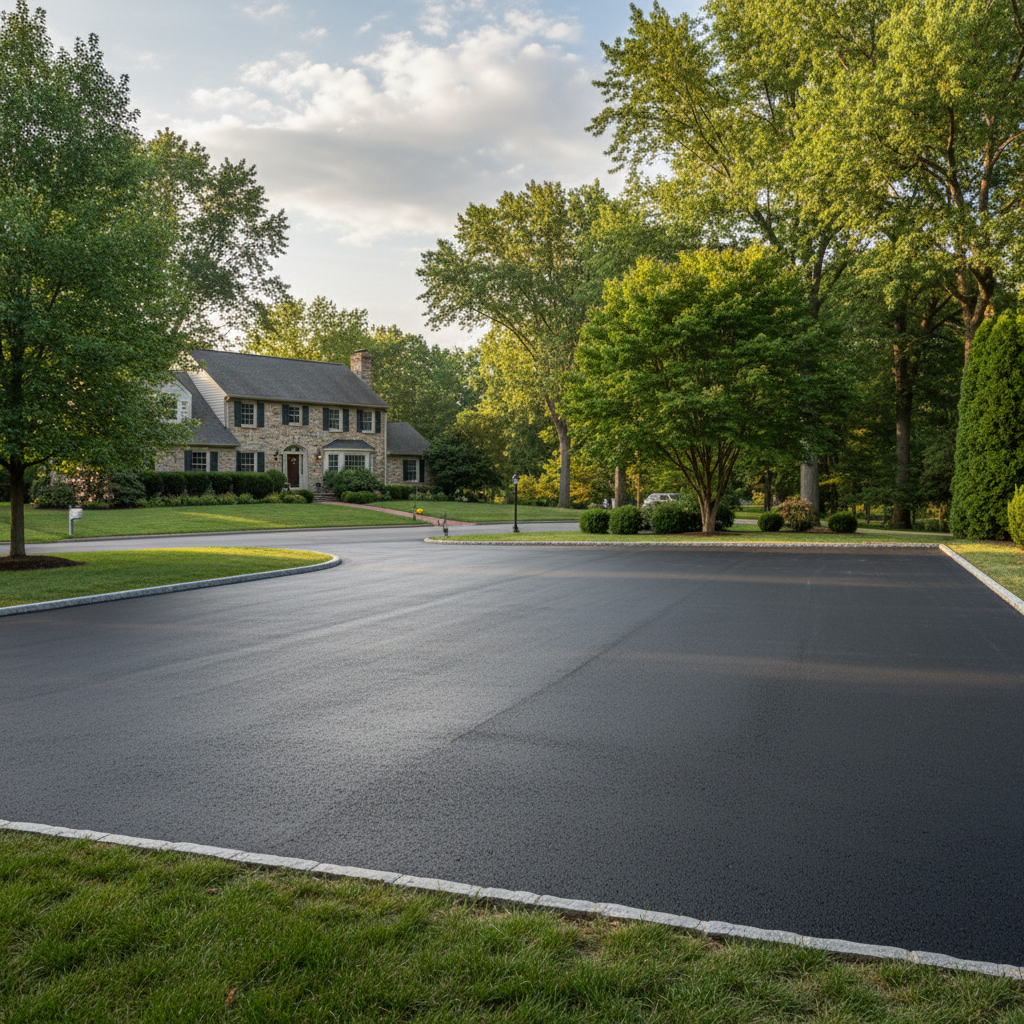
Your Parking Lot's Built Tough, But Not Indestructible
You shelled out good money for that parking lot, didn't you? Whether it's for your business, an apartment complex, or a church, you want it to last. And it can, for a long time, if you treat it right. Around here, with our crazy freeze-thaw cycles and heavy traffic, you can't just pave it and forget it. That's a recipe for potholes and expensive repairs way sooner than you'd like. I've seen it too many times.
Extending Your Pavement's Life: It's All About Protection
The biggest enemy of asphalt isn't just traffic; it's water and UV rays. When water gets into those tiny cracks, especially in winter, it freezes, expands, and then thaws, creating bigger cracks and eventually potholes. UV rays from the sun dry out the asphalt binder, making it brittle and prone to cracking. So, what do you do?
Sealcoating is your first line of defense. Think of it like sunscreen for your parking lot. It puts a protective layer over the asphalt, shielding it from UV damage, oil spills, and water penetration. You don't want to overdo it, but a good sealcoat every 2-3 years, depending on traffic and how much sun it gets, is crucial. It keeps the asphalt flexible and black, which helps it absorb heat and stay pliable.
Proper drainage is non-negotiable. If water is pooling anywhere on your lot, you've got a problem brewing. Standing water will soften the asphalt, weaken the base, and accelerate deterioration. Make sure your catch basins are clear and that the lot is graded correctly to shed water away. If you see puddles lasting more than an hour or two after a rain, that's a red flag.
Don't overload it. If your lot was designed for cars and light trucks, don't let heavy tractor-trailers or construction equipment sit on it for long periods, especially in the same spots. That concentrated weight causes rutting and cracking, no matter how well it was built.
Regular Maintenance: Your Pavement's Check-Up
You wouldn't skip oil changes on your car, right? Your parking lot needs its own version of routine care. It's not glamorous, but it saves you a ton of money down the road.
Keep it clean. Dirt, gravel, and debris can hold moisture against the asphalt and contribute to wear. Regular sweeping, especially after winter when all that road salt and grit is everywhere, helps a lot. Leaves can also hold moisture and cause staining if left to decompose.
Address spills immediately. Oil, gas, and other chemicals can break down the asphalt binder. If you see a spill, clean it up quickly. Absorbent materials like cat litter work great, then sweep it away.
Crack sealing is essential. This is probably the most important maintenance task. As soon as you see a crack, even a small one, get it sealed. That's your chance to stop water from getting in and doing serious damage. Don't wait until it becomes a pothole. We get those nasty cracks that run along the curb in Philly, especially in areas with old infrastructure and shifting ground – seal 'em up fast.
Patch potholes quickly. If a crack does turn into a pothole, don't let it sit. The longer it's there, the bigger it gets, and the more dangerous it becomes for vehicles and pedestrians. A good, hot asphalt patch done right will blend in and last, preventing further damage to the surrounding pavement.
Warning Signs You Can't Ignore
Your parking lot talks to you, you just gotta know how to listen. Here are the things that should make you pick up the phone:
Alligator cracking: This looks like a series of interconnected cracks, like an alligator's skin. It means the base layer underneath is failing, usually due to water infiltration or heavy loads. This isn't just a surface issue; it's structural.
Potholes: Obvious, I know, but don't underestimate them. They start small and grow fast, especially after a good snowmelt or heavy rain.
Depressions or rutting: If you see areas where the pavement is sinking or tire tracks are permanently pressed into the surface, that's a sign of base failure or inadequate pavement thickness for the traffic it's handling.
Faded, gray asphalt: If your lot looks more gray than black, it means the asphalt binder is oxidizing and losing its flexibility. It's becoming brittle and more susceptible to cracking. This is where sealcoating comes in handy.
Standing water: Again, if water isn't draining, it's going to cause problems. Period.
When to Call a Professional (Like Us at Apex Asphalt Co)
Look, some things you can handle yourself, like sweeping. But when it comes to crack sealing, patching, sealcoating, or any kind of major repair or repaving, you really need a pro. Why?
The right materials and equipment: We've got industrial-grade sealants, hot asphalt, and the machinery to apply them correctly. You're not going to get that kind of quality with a bucket from the hardware store.
Experience with our climate: We know how the Philadelphia weather affects asphalt. We know the best time to do certain jobs and how to make repairs that stand up to our winters and humid summers.
It saves you money in the long run: A professional repair might cost more upfront than a DIY job, but it'll last much longer and prevent more expensive problems down the line. You don't want to be patching the same pothole every six months.
Safety and compliance: We know the safety protocols and local regulations for working on commercial properties. You don't want to deal with liability issues from a poorly maintained or unsafe parking lot.
Don't wait until your parking lot looks like a war zone. A little proactive maintenance goes a long way in keeping your investment solid and looking good for years to come. Give us a call at Apex Asphalt Co if you're seeing any of those warning signs, or if you just want to get on a good maintenance schedule.