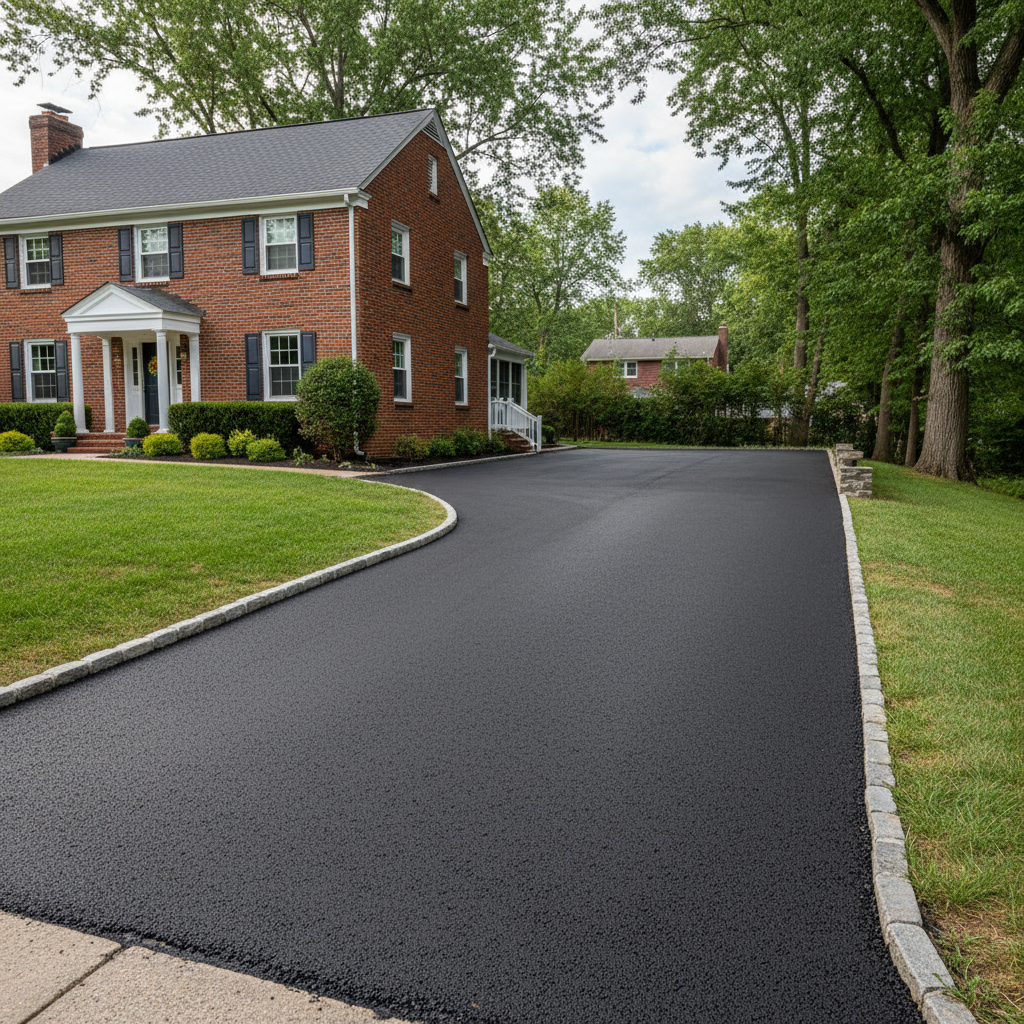
Alright, let's talk driveways for a minute. I've been in this business a long time, and I've seen plenty of good work — and, frankly, a lot of bad work too. Usually, when a homeowner ends up with a crummy driveway, it's because they made one of a few common mistakes right at the very beginning. You're spending good money on this project, so you definitely want it done right. Here's what I tell folks to watch out for.
Mistake #1: Always Chasing the Lowest Bid
Look, I get it. Money doesn't exactly grow on trees, especially not here in Philly. You want a good deal, sure. But when it comes to paving, the lowest bid is almost always a huge red flag. Think about it: how can one guy be significantly cheaper than everyone else? He's cutting corners, plain and simple. Maybe he's using less material, or thinner asphalt, or perhaps he's just skipping proper grading or base preparation altogether. That cheap price tag? It'll cost you way more in repairs down the road. Sometimes, you'll even need a whole new driveway sooner than you'd ever expect. You aren't just paying for asphalt; you're paying for experience, the right equipment, and a crew that actually knows what they're doing.
Mistake #2: Not Checking References or Licensing
This one really grinds my gears. People will spend hours researching a new TV, but they won't spare five minutes to check out a contractor who's about to tear up their yard! In Pennsylvania, contractors need to be registered with the Attorney General's office. You can easily look that up. Always ask for references. And then, here's the kicker: actually call those references! Ask if the contractor showed up on time, if they cleaned up, if the job has held up over time. A good contractor, like us at Apex Asphalt Co, will be happy to give them to you. If they hem and haw, or say they're "too busy," that's a huge warning sign. You want someone who's established, insured, and has a solid track record.
Mistake #3: Skipping the Site Visit and Detailed Estimate
You wouldn't buy a car without looking at it, right? Same goes for your driveway. If a contractor gives you a quote over the phone without ever stepping foot on your property, run for the hills. Every driveway is different, you see. You might have drainage issues, existing materials to contend with, slopes, tricky access points, or even old tree roots lurking below. A reputable contractor needs to physically see the site to give you an accurate estimate. They should be looking at things like:
- The current condition of your old driveway or the ground itself.
- How water drains from your property – this is especially important with our famous Philly storms.
- Any obstacles, like utility boxes, landscaping, or steep grades.
- The type of soil. Some parts of Philly, especially down by the river, have some pretty tricky clay soils that demand extra attention for a stable base.
A detailed estimate should break down the costs, materials, and the full scope of work. No vague numbers, please. You should know exactly what you're getting for your money.
Mistake #4: Not Understanding the Paving Process
You don't need to become an expert overnight, but you should have a basic idea of what's going to happen. Ask questions! A good contractor will explain the steps clearly: excavation, base preparation (this is HUGE, so don't let anyone skimp here), asphalt layers, compaction, and proper grading. If they can't explain it clearly, or get annoyed when you ask, that's a problem. Remember, the base is the foundation of your driveway; if it's not done right, your asphalt won't last, no matter how thick they lay it.
Mistake #5: Forgetting About Drainage
This is absolutely critical, especially in a city like Philadelphia where we get our fair share of heavy rain. Water is asphalt's worst enemy, plain and simple. If your driveway doesn't drain properly, you're going to end up with standing water, cracks, potholes, and a much shorter lifespan for your pavement. A good contractor will plan for proper grading to direct water away from your house and foundation. They'll talk about swales, catch basins, or how the slope will work. If they don't mention drainage, bring it up yourself. It's not an optional extra; it's fundamental to a long-lasting driveway.
So, there you have it. Don't let these common mistakes turn your new driveway into a headache. Do your homework, ask the tough questions, and choose a contractor who truly cares about doing the job right the first time. It'll save you a lot of grief and money in the long run, believe me.