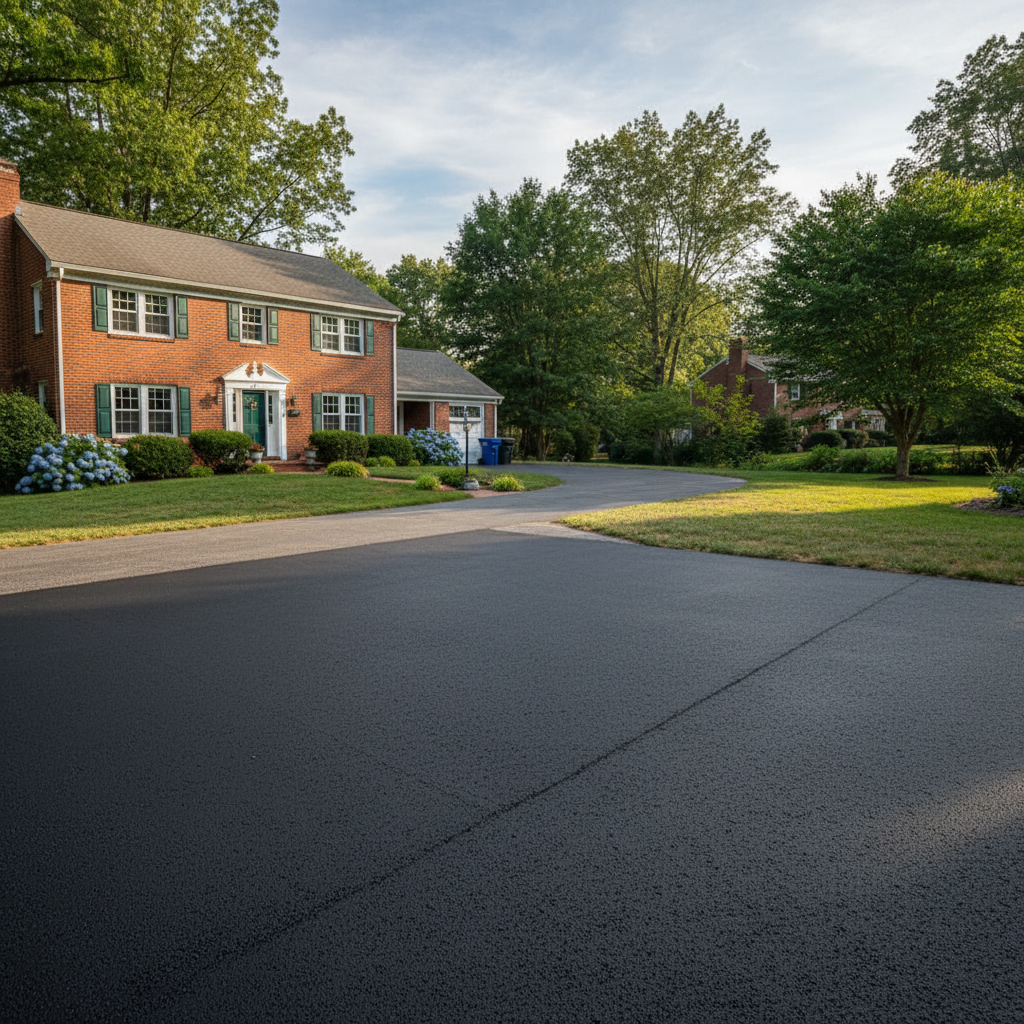
So, you just shelled out good money to get that pothole fixed or that cracked area patched up. Smart move, really. Nobody wants a nasty trip hazard or a problem that just gets bigger and bigger. But here's the kicker: a patch isn't some magic, permanent fix if you don't give it a little attention. Especially here in Philadelphia, with our brutal freeze-thaw cycles and heavy traffic, a patch needs some care if you want it to actually last.
Extending the Life of Your Asphalt Patch
Alright, you've got a fresh patch. The first and most crucial thing you can do is let it cure right. We're talking about giving it time to harden up, you know? If we've just laid down hot asphalt, it stays pretty pliable for a while. Driving heavy vehicles over it too soon, or even just turning your wheels sharply in the same spot, can push that new material around before it's fully settled. I usually tell folks to give it at least 24 to 48 hours before any heavy traffic rolls over it. If it's a scorcher of a day, it might even need a bit longer to fully cool and set.
Once it's cured, think about getting it sealed. A good quality sealcoat, put down correctly, works like a shield. It protects the asphalt from harsh UV rays – those are what break down the binder over time – and it makes the surface less likely to soak up water. Water, by the way, is asphalt's arch-nemesis, especially when it seeps into cracks and then freezes. That's exactly how tiny cracks blow up into huge potholes. If you've just had a new patch, you might want to hold off for about 30 to 90 days for it to fully oxidize and cure before sealcoating the whole area, patch included. This helps everything bond the way it should.
Drainage is another huge one. If water is constantly pooling on or near your patched area, you're just asking for trouble. Make sure your downspouts aren't just dumping water right onto your driveway or parking lot. If you've got low spots where water collects, that's a recipe for disaster, plain and simple. We can patch those spots, sure, but if you don't fix the underlying drainage problem, you'll be calling us back for another patch sooner than you'd like.
Regular Maintenance: What You Should Be Doing
Keeping up with patched asphalt isn't exactly rocket science, but it does mean staying a little vigilant. Think of it like changing the oil in your car — those small, consistent efforts prevent major breakdowns later on.
- Keep it Clean: Sweep off dirt, leaves, and other debris regularly. Organic stuff holds moisture against the asphalt, and dirt can work its way into tiny cracks, expanding when wet and causing more damage.
- Watch for Weeds: Weeds and grass just love to sprout through small cracks in asphalt. Their roots can widen those cracks, letting water in. Pull them out as soon as you spot them, or grab a weed killer made for paved surfaces.
- Address Small Cracks Immediately: This is huge, I can't stress it enough. If you see a new, small crack forming near or in your patch, get it filled. Crack filling is a relatively cheap way to stop water from getting in and prevent a small problem from turning into a big one. Don't wait until it looks like a spiderweb.
- Sealcoat Periodically: Depending on how much traffic it sees and what the weather throws at it, a good sealcoat every two to three years can really stretch the life of your entire asphalt surface, patches included. It's like a protective jacket, keeping the elements out.
Honestly, we see a lot of patches fail because people just forget about them. They think, 'fixed it, done.' But that's just not how it works, especially with the kind of weather we get here in Philly. One minute it's 90 degrees and humid, the next it's below freezing with a foot of snow. That constant expansion and contraction puts a ton of stress on asphalt.
Warning Signs You Can't Ignore
How do you know if your patch is in trouble? Your asphalt will definitely tell you, if you know what to look for.
- New Cracks Around the Patch: If you spot cracks forming right at the edges of your patch, or new ones popping up within the patched area itself, that's a red flag. It means the patch might not be bonding well, or there's some movement happening underneath.
- Fading or Discoloration: Sure, a new patch will look different from older asphalt. But if it's fading excessively or starting to look gray, that could mean the binder is breaking down from UV exposure or oxidation. This makes the asphalt brittle, which is no good.
- Soft Spots or Depressions: If you walk or drive over the patch and it feels soft, spongy, or starts to sink, you've got a serious problem on your hands. This usually points to a sub-base issue — water has gotten underneath and messed with the foundation.
- Potholes Reforming: If the original pothole starts to reappear, even if it's just a smaller dip, the patch has failed. This often suggests a deeper problem with the base material or drainage that wasn't fully taken care of during the initial repair.
- Loose Aggregate: If you start seeing small stones coming loose from the surface of the patch, it means the asphalt binder isn't holding them together anymore. This can lead to things falling apart really fast.
When to Call a Professional
Look, I'm a big fan of DIY when it makes sense, but there are definitely times you just need to bring in the pros. For asphalt, that's usually when you see those major warning signs I just mentioned.
If you're seeing significant cracking, soft spots, or if water is pooling really badly, that's way beyond a simple crack fill. You need someone to figure out what's going on underneath. Sometimes, a patch fails not because the patch itself was bad, but because the base underneath was already compromised. We've seen plenty of patches fail in older South Philly neighborhoods where the original sub-base wasn't properly prepared decades ago. You can keep patching the surface, but if the foundation is rotten, it's a losing battle, isn't it?
Also, if you're looking at a large area that needs patching, or multiple spots, it's often more cost-effective — and certainly more effective in the long run — to have Apex Asphalt Co take a look. We've got the right equipment, the right materials, and the experience to diagnose the problem correctly and put down a lasting solution. Don't wait until a small issue blows up into a full-blown repaving project. A quick call can save you a lot of headaches and money down the road.